... GYM FLOORING         

GYM FLOORING

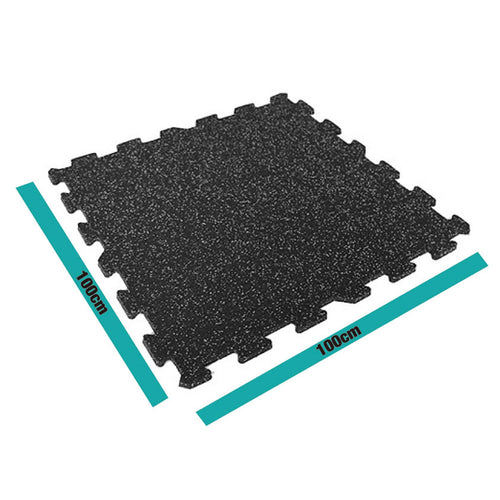
  • LIVEPRO GYM TILE INTERLOCK
    Regular price
    Rs.9,500.00
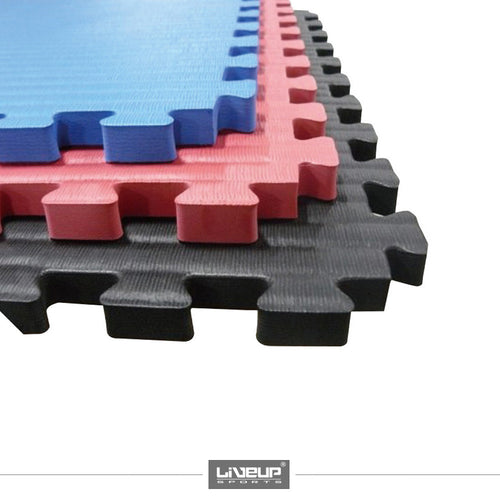
  • LIVEUP TAEKWONDO MAT
    Regular price
    Rs.8,250.00
  • LIVEUP GYM TILE INTERLOCK
    Regular price
    Rs.6,250.00
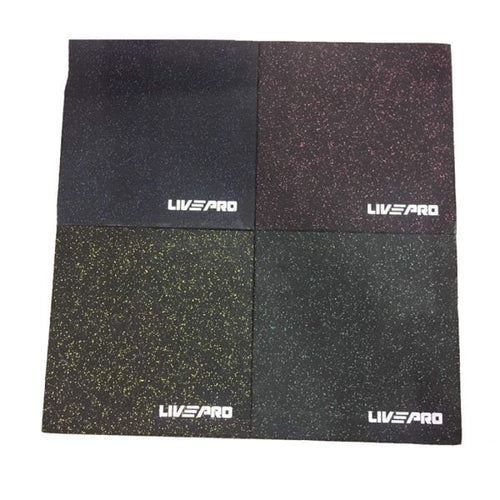
  • LIVEPRO RUBBER WEIGHTED GYM TILES
    Regular price
    Rs.5,500.00

GYM FLOORING

Gym Flooring price in Pakistan

The price of gym flooring in Pakistan varies depending on the material, thickness, size, and durability. On SK Business Corporation, current exercise and fitness mats range from around Rs. 3,995 to Rs. 12,950, with options such as EVA mats at Rs. 6,500, NBR 12mm mats at Rs. 4,750, and premium mats around Rs. 10,500–Rs. 12,500. For complete gym flooring, the final cost can be higher depending on the area and flooring type required.

A good workout starts from the ground up. If your gym floor is slippery, too hard, or unable to handle heavy equipment, it can affect both safety and comfort. Gym flooring provides a protective, stable, and durable surface for everything from weightlifting and cardio to yoga and home workouts.

Whether you are setting up a home gym, fitness studio, weight room, or commercial fitness center, choosing the right flooring can protect your existing floor, reduce noise, improve grip, and make your workout space more comfortable.

What Is Gym Flooring?

Gym flooring is a specially designed surface used in workout and fitness areas. Unlike regular tiles or concrete floors, fitness flooring is made to handle repeated movement, equipment weight, impact, and daily use.

Common options include rubber gym mats, interlocking gym floor tiles, EVA flooring, gym floor rolls, and exercise mats. Each type has different benefits, so the best option depends on the type of exercise and equipment being used.

For example, rubber flooring is generally better for heavy weights, while EVA gym flooring is suitable for lighter activities such as stretching, Pilates, and yoga.

Why Is Gym Flooring Important?

The right workout flooring does more than improve the appearance of your gym. It also provides several practical benefits.

Protects Your Floor

Dumbbells, weight plates, racks, benches, and machines can scratch or damage ordinary flooring. A protective floor covering creates a layer between the equipment and the original floor.

This is especially important in weightlifting areas where heavy equipment is frequently moved or placed on the ground.

Improves Safety

A quality non-slip surface provides better traction during workouts. This can be useful for exercises such as squats, lunges, deadlifts, jumping exercises, and functional training.

Stable flooring can also help keep gym equipment from moving unnecessarily.

Reduces Noise and Impact

Dropping weights can create considerable noise and impact. Rubber gym flooring helps absorb some of this impact and can reduce noise compared with hard concrete or tiled surfaces.

This makes it a practical choice for home gyms, apartments, offices, and commercial fitness facilities.

Provides Better Comfort

Exercising on a hard surface for long periods can be uncomfortable. Shock-absorbing and anti-fatigue flooring can provide additional cushioning, particularly for cardio, stretching, and floor-based exercises.

Types of Gym Flooring

Rubber Gym Flooring

Rubber flooring for gyms is one of the most common choices for commercial gyms and weight rooms. It is durable, offers good grip, and can handle heavy equipment.

Rubber gym mats are suitable for weightlifting areas, strength training zones, functional training spaces, and areas containing heavy fitness equipment.

Interlocking Gym Floor Tiles

Interlocking gym floor tiles connect together to create a stable workout surface. They are convenient for home gyms and smaller workout areas because individual tiles can be replaced when necessary.

They are also useful when you want to cover only part of a room instead of installing flooring throughout the entire space.

EVA Gym Flooring

EVA is a lightweight foam material that provides cushioning and comfort. It is commonly used for home workouts, yoga, Pilates, stretching, and other low-impact activities.

However, EVA may not be the best option for areas where heavy weights are regularly dropped.

Gym Floor Mats

Gym floor mats are a simple solution for protecting specific areas. Instead of covering the entire room, you can place a mat underneath a treadmill, exercise bike, bench, rack, or other equipment.

They are particularly useful when setting up a small home workout space.

Rubber vs EVA Gym Flooring

Feature

Rubber Flooring

EVA Flooring

Durability

Excellent

Good for light use

Heavy equipment

Excellent

Limited

Shock absorption

Excellent

Good

Comfort

Good

Excellent

Weightlifting

Excellent

Not recommended

Home workouts

Excellent

Excellent

Commercial gyms

Excellent

Suitable for selected areas

Maintenance

Easy

Easy

For heavy strength training, rubber is usually the better choice. For yoga, Pilates, stretching, and general home workouts, EVA can offer excellent comfort.

How to Choose Gym Flooring

Choosing the right flooring becomes easier when you consider how your gym will actually be used.

Consider Your Workout

Think about your main activities. A weight room requires stronger flooring than a yoga or stretching area.

Check Equipment Weight

Heavy racks, weight plates, barbells, and machines require durable flooring with good impact resistance.

Choose the Right Thickness

Flooring thickness affects cushioning and protection. Lighter activities may only require a basic exercise mat, while heavy lifting areas need more substantial protection.

Look for Good Grip

An anti-slip gym flooring surface can provide better traction during exercise. This is particularly important for strength training and functional workouts.

Consider Maintenance

Gyms experience sweat, dust, dirt, and frequent foot traffic. Choose durable flooring that can be cleaned without excessive effort.

Gym Flooring Price in Pakistan

The gym flooring price in Pakistan depends on the material, thickness, size, quality, and quantity you need.

For smaller home workout areas, exercise mats can be an affordable option. Current products listed by SK Business Corporation include fitness mats in different price ranges, with examples around Rs. 5,500 to Rs. 12,500, depending on the product and specifications.

For instance, available exercise mats include EVA, Pilates, stretching, and multi-purpose options. However, these prices are for individual mats and should not be considered the total cost of installing complete commercial gym flooring.

For a larger gym, the total price will depend on the floor area and whether you choose rubber tiles, rolls, heavy-duty mats, or another flooring solution.

Planning a new workout space? Contact SK Business Corporation at +92-42-37874101 or skbizcorp@gmail.com to discuss suitable gym flooring and fitness equipment for your requirements.

Gym Flooring for Home and Commercial Gyms

Home gym flooring usually has lower traffic than commercial flooring. If your home workout area is mainly used for yoga, stretching, bodyweight exercises, or light dumbbells, EVA mats or exercise mats may be enough.

Commercial gyms require more durable solutions because the flooring has to handle many users and heavy equipment every day. Rubber gym flooring is often a practical option for weight rooms, strength training areas, and commercial fitness centers.

You can also use different types of flooring in different areas. For example, rubber flooring can be installed in the weightlifting area while comfortable mats are used in stretching or yoga zones.

How to Maintain Gym Flooring

Proper maintenance helps keep your flooring in good condition for longer.

·       Sweep or vacuum dust regularly.

·       Clean spills quickly.

·       Use suitable cleaning products.

·       Avoid leaving excessive moisture on the surface.

·       Check high-use areas for damage.

·       Move heavy equipment carefully.

·       Replace badly damaged mats or tiles when required.

Regular cleaning is especially important in commercial gyms because many people use the same workout space every day.

Common Gym Flooring Mistakes

One common mistake is choosing flooring based only on price. Cheap flooring may not provide enough durability for heavy equipment.

Another mistake is using lightweight EVA flooring underneath heavy weights. EVA is comfortable, but rubber is generally more suitable for weightlifting and high-impact activities.

You should also avoid ignoring the condition of the floor underneath. Before installation, make sure the surface is clean, reasonably level, and free from moisture.

Finally, do not assume that the entire gym needs the same flooring. Different workout zones can use different materials depending on their purpose.

Conclusion

The right gym flooring can make your workout area safer, more comfortable, and more durable. Rubber flooring is a strong choice for weightlifting, strength training, heavy equipment, and commercial gyms, while EVA and exercise mats work well for lighter home workouts.

Before buying, consider your workout style, equipment weight, floor area, required thickness, grip, maintenance needs, and budget.

A well-chosen gym floor protects your existing surface and equipment while creating a better environment for regular training. Whether you need a few gym mats for your home or heavy-duty flooring for a commercial fitness center, choosing the right material from the beginning can save you money and maintenance problems later.

Frequently Asked Questions

What type of flooring is best for a gym?

Rubber flooring is a popular choice because it offers durability, good grip, impact resistance, and protection for floors and equipment.

Is rubber flooring good for gyms?

Yes. Rubber flooring is particularly suitable for weight rooms, strength training, commercial gyms, and areas with heavy equipment.

How thick should gym flooring be?

It depends on the activity. Light exercise can use thinner mats, while heavy lifting usually requires thicker and more impact-resistant flooring.

What is the best flooring for a home gym?

EVA or exercise mats can work well for yoga, stretching, and general workouts. Rubber is better for heavy weights and strength training.

Are interlocking gym floor tiles good?

Yes. They are easy to install, practical for home gyms, and allow individual damaged tiles to be replaced.

How do you clean rubber gym flooring?

Regularly remove dust and dirt, clean spills quickly, and use a suitable cleaning solution recommended for the flooring material.

Is EVA better than rubber flooring?

Neither is always better. EVA is lightweight and comfortable, while rubber generally provides greater durability for heavy equipment and weightlifting.